
DTTMAH logo ENTER

I’ve been interviewing musicians for over 20 years now, but I’m still no clearer about whether I’m doing it properly. When the allotted time begins and a PR beckons me into the hotel suite, it’s just me and my subject. I might exchange glances with the previous guy as he bundles his Dictaphone into his bag and says his thank yous. But I haven’t got a clue what he does to set his interviewee at ease; how he gets them to drop their guard in order to gift him a quote that might make headline news. Photographers though – that’s another matter. I’ve been on assignments with all sorts of photographers – and each one fascinates me a little more than the previous one.

The clichés that, over the years, people have come to believe about music writers are actually true of photographers. Lester Bangs and Nick Kent were the exception rather than the rule. It’s the photographers who are invariably up latest of all; draining the contents of the bar; attempting to charge it to the PR’s room; blagging themselves onto first class while we slum it 20 rows back. They’ve got a nerve – and, of course, more than anything, nerve is what they rely on to get the job done. If Keith Richards says you have five minutes to get the Times Magazine cover shot, and you fail – believe me, The Times aren’t going to pat you on the back and say, “Never mind – better luck next time.” If a music journalists screws up the interview, he can patch it up later – there’s always assiduous research and secondary quotes to complement the grunts and harrumphs of a lead singer who fell out of the wrong side of the five star hotel suite bed this morning.

I’ve never met a photographer who wasn’t a hustler. I’ve seen them stop the traffic in Times Square in order to get capture their subject before the neon blur of a city in flux. I saw one unzip his flies to get the reaction he wanted. And, of course, turn a few pages and you can imagine the chance that Phil Nicholls took when he asked Godfather of Boo Yaa Tribe to pose with a gun. Photographers – or, as master music lensman Tom Sheehan calls them – don’t have any Plan B. As a profession though, it has its compensations.

As a writer, the musician will always treat you with suspicion. Even if you’ve been banging the drum for his band ever since that 30o-only hand-drawn indie debut, the bond of trust lasts only as long as you make sure the reviews don’t fall beneath four stars. The photographer doesn’t have to worry about any of that. A timeless iconic image of a honey-lipped rock god benefits both parties. And while we’re in our hotel rooms frantically meeting tonight’s print deadline, the photographer has already wired his snaps to the paper, free to enjoy the after-show with the very people at whom he pointed his flashbulb.

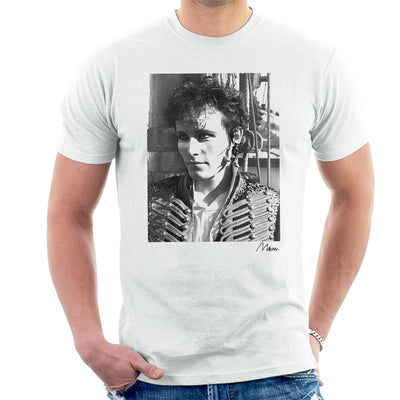
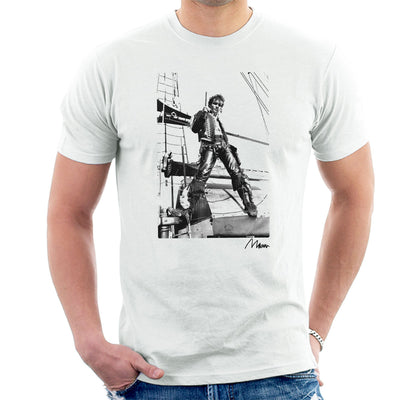
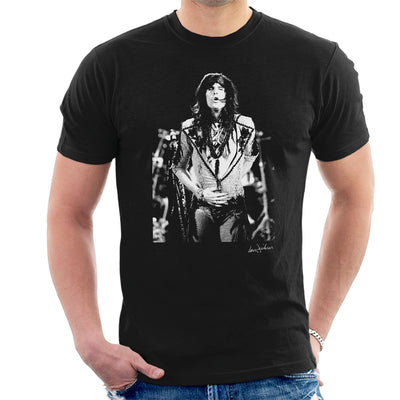
As it happens, Don’t Talk To Me About Heroes isn’t short of a few honey-lipped frontmen. The young Mick Jagger soaking up the waiting world’s attention like a burning beach to water; Ian McCulloch silhouetted by strobes in a venue packed with new disciples; Chrissie Hynde proving that pouting whilst wearing leather trousers is not the exclusive domain of the boys. The photographers who captured them for this book accessed a part of their subjects that will never be open to the likes of me. Am I jealous? You bet. Would I swap? Not in a million years.

Pete Paphides